Drywall is basically gypsum pressed between paper, and both soak up water fast. When sewage touches the bottom of a wall, it wicks upward, often well past the visible stain, and the paper facing gives mold something to feed on. Under standard industry guidance, drywall that absorbed sewage is removed, not dried and kept. For sewage damaged drywall removal in Derby, KS, we connect you with a local crew that does the cut, the cleanup and the drying.
How crews decide where to cut
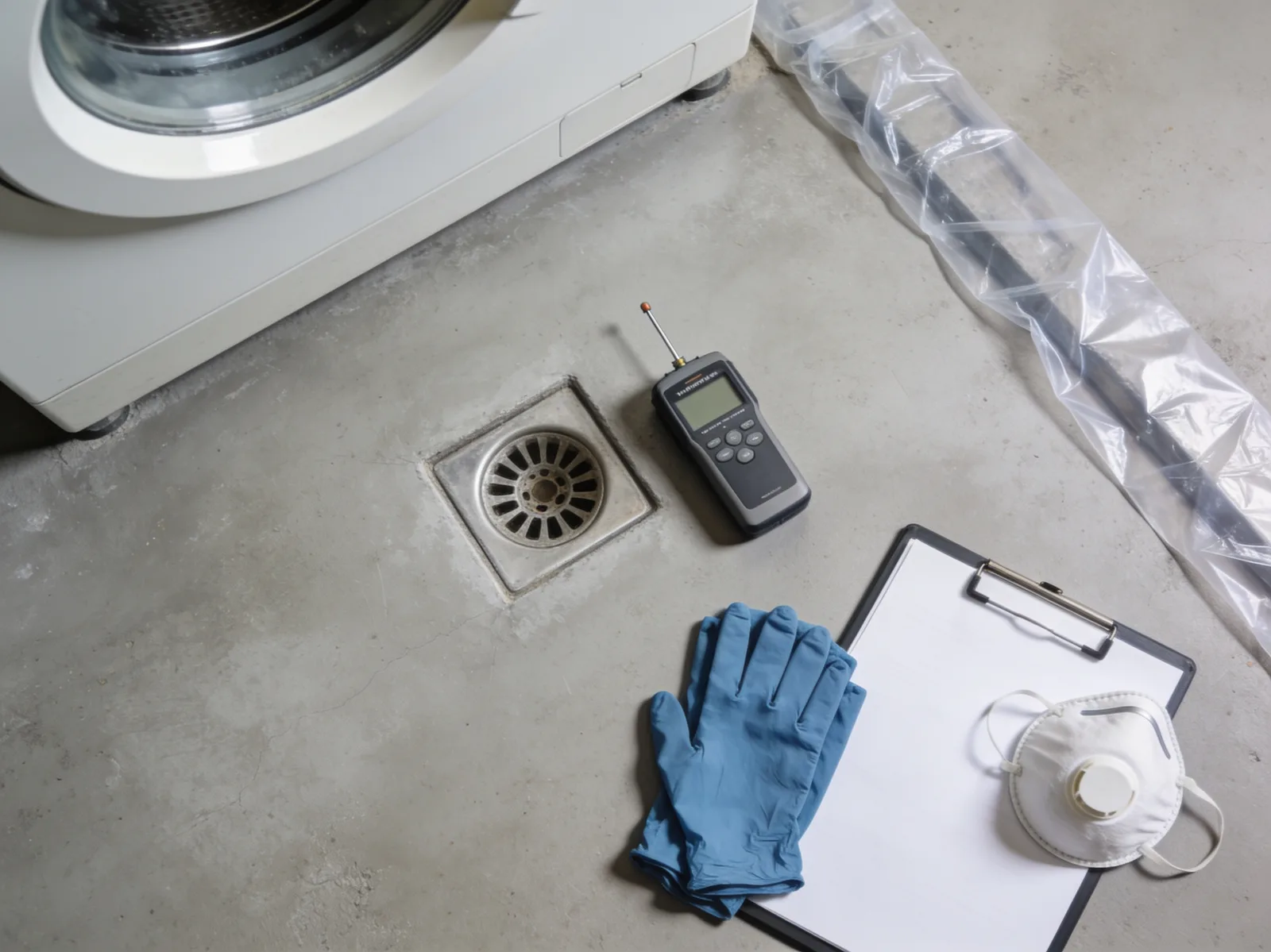
The cut line is based on measurement, not guesswork. A crew takes moisture readings up the wall with a meter and may use a thermal camera to see how far the wet area reaches. The usual practice is a flood cut: a straight line around the room, set a foot or more above the highest wet reading. Some crews cut at two or four feet so the replacement uses standard sheet sizes and leaves fewer seams. If water ran inside the wall from above, such as an upstairs toilet overflow, the cut may go higher or take out a ceiling section.
What comes out with the drywall
- Baseboards and trim, removed first
- Drywall below the cut line, bagged in contractor bags
- Fiberglass or cellulose insulation in the wall cavity
- Vapor barrier plastic if present
- Paneling or wainscot that held sewage behind it
Studs and bottom plates usually stay. They get cleaned, disinfected with proper contact time and dried. The clean-then-disinfect process is explained under sewage sanitization.
Drying before rebuilding
With the wall open, air movers and dehumidifiers can dry the framing much faster. Expect several days, with readings each visit. Wood should hit a dry target before new drywall goes up. Closing a wall over damp studs traps moisture and invites mold and odor later. If the smell comes back after rebuilding, see sewage odor removal.
Plaster walls and older homes
Older homes with plaster and lath behave differently. Plaster is denser and doesn't wick the same way, but lath and the cavity behind it can still hold sewage. Crews decide case by case. Homes built before the late 1970s may have materials that should be tested before demolition, which the crew can advise on.
Cost factors
Linear feet of wall, cut height, insulation type, number of rooms and disposal volume drive the price. Rebuilding is usually a separate trade. For a full picture of the job around the walls, read sewage damage cleanup.
Keep kids and pets out of rooms with open walls. Call (217) 404-1483 and we will connect you with a crew in Derby, KS.